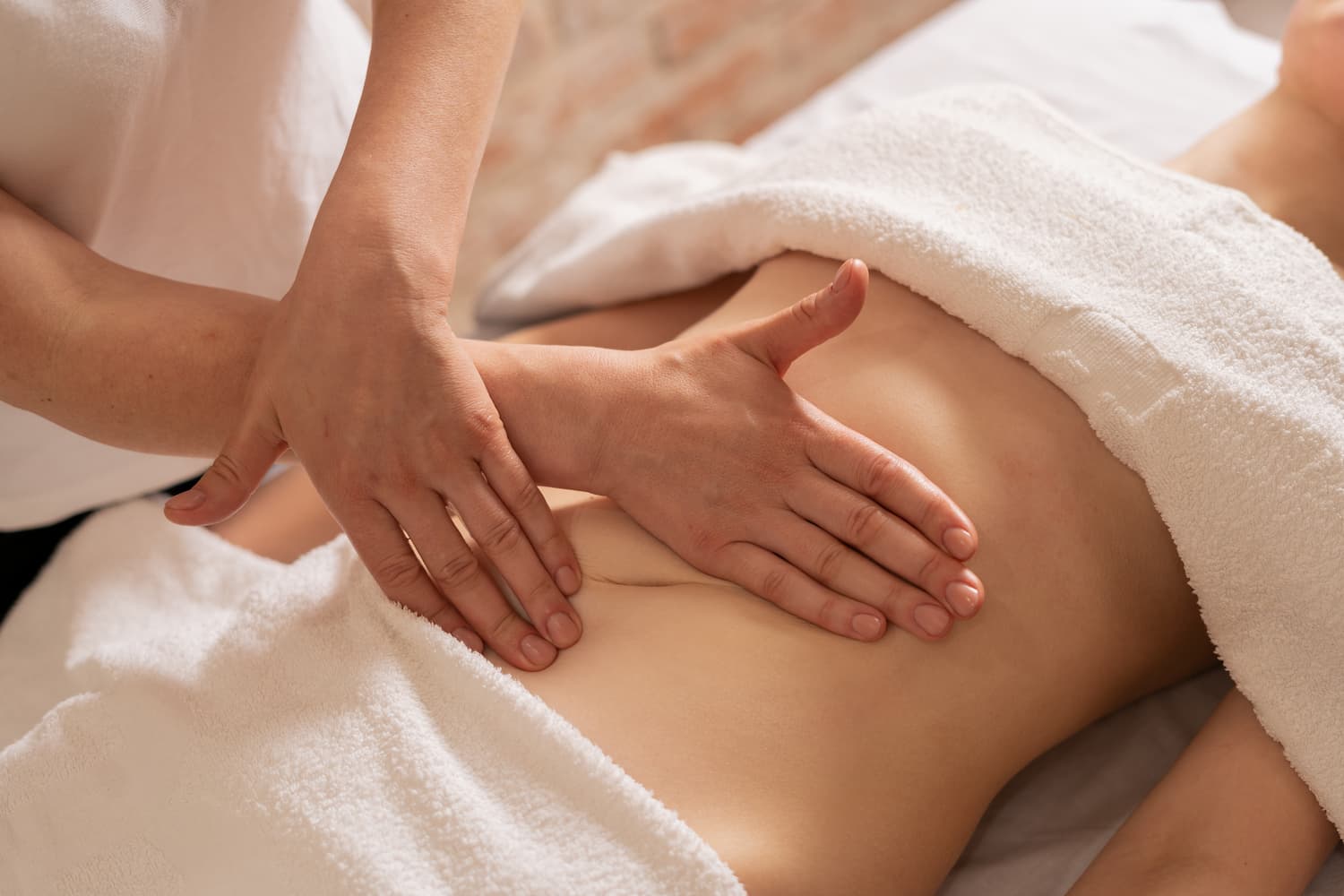
 In recent years, lymphatic drainage massage has become one of the most searched wellness treatments worldwide. From Europe to Brazil, and now increasingly in Korea, more people are seeking gentle, non-invasive ways to reduce temporary swelling, support circulation, and improve overall body balance.
At Flow Spa in Gangnam, many international guests ask:
What exactly is the lymphatic system?
Is Korean lymphatic drainage massage different from European methods?
Which style is better for me?
This article explains the lymphatic system and explores the differences between European lymphatic drainage massage and Korean lymphatic massage techniques — not in terms of superiority, but in terms of philosophy, pressure, and client expectations.
What Is the Lymphatic System?
The lymphatic system is a network of lymph vessels and lymph nodes that helps maintain fluid balance and supports immune function. It plays an important role in:
Transporting excess fluid
Assisting natural waste removal
Supporting immune response
Maintaining tissue balance
Unlike the circulatory system, the lymphatic system does not have a central pump like the heart. Lymph flow depends on:
When lymph circulation becomes sluggish — often due to stress, long flights, prolonged sitting, hormonal changes, or lack of movement — people may notice:
Lymphatic drainage massage is a wellness technique designed to gently encourage natural lymph movement.
It is not a medical treatment and does not replace clinical care for lymphedema or other medical conditions.
What Is Lymphatic Drainage Massage?
Lymphatic drainage massage is typically characterized by:
Light, rhythmic strokes
Slow directional movements
Focus on major lymph node areas (neck, underarms, abdomen, groin)
Relaxing, repetitive techniques
In a spa setting, the purpose is to:
Support healthy circulation
Reduce temporary fluid retention
Promote relaxation
Improve the feeling of body lightness
European Lymphatic Drainage Massage (Manual Lymphatic Drainage – MLD)
European lymphatic drainage techniques, including the well-known Vodder method, are highly structured and extremely gentle.
Key Characteristics:
Very light pressure (often described as feather-light)
Precise, repetitive hand movements
Strict focus on lymphatic pathways
Minimal oil use
Slow, methodical rhythm
In some European countries, manual lymphatic drainage is performed in medical environments by certified professionals. In spa environments, it is adapted for relaxation and wellness support.
Client Experience:
Subtle physical sensation
Deep nervous system calming
Ideal for individuals sensitive to pressure
European-style lymphatic massage emphasizes precision and systematic flow.
Korean Lymphatic Drainage Massage
In Korea, lymphatic massage has evolved within a strong tradition of manual bodywork and circulation-focused therapy.
Rather than focusing exclusively on lymph pathways, Korean lymphatic massage often integrates:
Circulation-supporting techniques
Traditional Korean manual methods
Meridian-based bodywork concepts
Gentle muscle release
Key Characteristics:
Light to moderate pressure
Combination of lymph stimulation and muscle relaxation
Use of oil or cream
Noticeable post-treatment lightness
Korean clients often expect not only internal balance but also a tangible sense of muscle release and contour refinement. As a result, Korean lymphatic massage frequently blends drainage techniques with body sculpting elements.
Client Experience:
Key Differences: European vs. Korean Lymphatic Massage
Category
| European
| Korean
|
Pressure
| Very light
| Light to moderate
|
Main Focus
| Pure lymphatic pathways
| Lymph flow, circulation, and muscle relaxation
|
Treatment Atmosphere
| Clinical or minimal
| Relaxing, spa-focused
|
Use of Oil
| Minimal
| Typically used
|
Sensation After Treatment
| Subtle
| Noticeable lightness and relaxation
|
Neither approach is superior. They simply reflect different wellness cultures and client preferences.
European methods prioritize delicate precision and nervous system calm.
Korean techniques emphasize balanced circulation and muscular comfort.
Choosing the Right Lymphatic Massage for You
If you prefer:
Extremely gentle touch
Structured technique
Minimal muscle pressure
You may appreciate a traditional European-style lymphatic drainage session.
If you prefer:
Gentle yet effective pressure
Combined muscle relaxation
A visible feeling of reduced puffiness
You may feel more comfortable with a Korean-style lymphatic massage.
For many international travelers visiting Seoul — especially those recovering from long flights or busy schedules — the Korean approach offers a practical balance between relaxation and body restoration.
Lymphatic Drainage Massage in a Wellness Setting
It is important to note that spa-based lymphatic massage is designed for wellness support only. It does not diagnose, treat, or cure medical conditions.
When combined with:
Proper hydration
Movement
Rest
Healthy lifestyle habits
Lymphatic massage can be a valuable part of a balanced self-care routine.
Final Thoughts
The growing global interest in lymphatic drainage massage reflects a broader shift toward preventive wellness and body awareness.
Whether performed in Europe, Brazil, or Korea, the purpose remains the same:
To gently support the body’s natural rhythm.
Understanding the differences between techniques allows you to choose the experience that aligns with your body and expectations — not based on superiority, but based on suitability.
In wellness, balance matters more than comparison.

At Flow Spa in Gangnam, many international guests ask:
What exactly is the lymphatic system?
Is Korean lymphatic drainage massage different from European methods?
Which style is better for me?
This article explains the lymphatic system and explores the differences between European lymphatic drainage massage and Korean lymphatic massage techniques — not in terms of superiority, but in terms of philosophy, pressure, and client expectations.
What Is the Lymphatic System?
The lymphatic system is a network of lymph vessels and lymph nodes that helps maintain fluid balance and supports immune function. It plays an important role in:
Transporting excess fluid
Assisting natural waste removal
Supporting immune response
Maintaining tissue balance
Unlike the circulatory system, the lymphatic system does not have a central pump like the heart. Lymph flow depends on:
Muscle movement
Breathing
Body rhythm
Gentle external stimulation
When lymph circulation becomes sluggish — often due to stress, long flights, prolonged sitting, hormonal changes, or lack of movement — people may notice:
Facial puffiness
Swollen legs
A heavy body sensation
Temporary water retention
General fatigue
Lymphatic drainage massage is a wellness technique designed to gently encourage natural lymph movement.
It is not a medical treatment and does not replace clinical care for lymphedema or other medical conditions.
What Is Lymphatic Drainage Massage?
Lymphatic drainage massage is typically characterized by:
Light, rhythmic strokes
Slow directional movements
Focus on major lymph node areas (neck, underarms, abdomen, groin)
Relaxing, repetitive techniques
In a spa setting, the purpose is to:
Support healthy circulation
Reduce temporary fluid retention
Promote relaxation
Improve the feeling of body lightness
European Lymphatic Drainage Massage (Manual Lymphatic Drainage – MLD)
European lymphatic drainage techniques, including the well-known Vodder method, are highly structured and extremely gentle.
Key Characteristics:
Very light pressure (often described as feather-light)
Precise, repetitive hand movements
Strict focus on lymphatic pathways
Minimal oil use
Slow, methodical rhythm
In some European countries, manual lymphatic drainage is performed in medical environments by certified professionals. In spa environments, it is adapted for relaxation and wellness support.
Client Experience:
Subtle physical sensation
Deep nervous system calming
Ideal for individuals sensitive to pressure
European-style lymphatic massage emphasizes precision and systematic flow.
Korean Lymphatic Drainage Massage
In Korea, lymphatic massage has evolved within a strong tradition of manual bodywork and circulation-focused therapy.
Rather than focusing exclusively on lymph pathways, Korean lymphatic massage often integrates:
Circulation-supporting techniques
Traditional Korean manual methods
Meridian-based bodywork concepts
Gentle muscle release
Key Characteristics:
Light to moderate pressure
Combination of lymph stimulation and muscle relaxation
Use of oil or cream
Noticeable post-treatment lightness
Korean clients often expect not only internal balance but also a tangible sense of muscle release and contour refinement. As a result, Korean lymphatic massage frequently blends drainage techniques with body sculpting elements.
Client Experience:
A balance of relaxation and therapeutic depth
Reduced puffiness
Improved body comfort
Immediate sensation of lightness
Key Differences: European vs. Korean Lymphatic Massage
Neither approach is superior. They simply reflect different wellness cultures and client preferences.
European methods prioritize delicate precision and nervous system calm.
Korean techniques emphasize balanced circulation and muscular comfort.
Choosing the Right Lymphatic Massage for You
If you prefer:
Extremely gentle touch
Structured technique
Minimal muscle pressure
You may appreciate a traditional European-style lymphatic drainage session.
If you prefer:
Gentle yet effective pressure
Combined muscle relaxation
A visible feeling of reduced puffiness
You may feel more comfortable with a Korean-style lymphatic massage.
For many international travelers visiting Seoul — especially those recovering from long flights or busy schedules — the Korean approach offers a practical balance between relaxation and body restoration.
Lymphatic Drainage Massage in a Wellness Setting
It is important to note that spa-based lymphatic massage is designed for wellness support only. It does not diagnose, treat, or cure medical conditions.
When combined with:
Proper hydration
Movement
Rest
Healthy lifestyle habits
Lymphatic massage can be a valuable part of a balanced self-care routine.
Final Thoughts
The growing global interest in lymphatic drainage massage reflects a broader shift toward preventive wellness and body awareness.
Whether performed in Europe, Brazil, or Korea, the purpose remains the same:
To gently support the body’s natural rhythm.
Understanding the differences between techniques allows you to choose the experience that aligns with your body and expectations — not based on superiority, but based on suitability.
In wellness, balance matters more than comparison.